This Human Rights Day 2025, La Isla Network (LIN) is making a clarion call to protect workers worldwide from exposure to excessive heat. We remember that the right to the
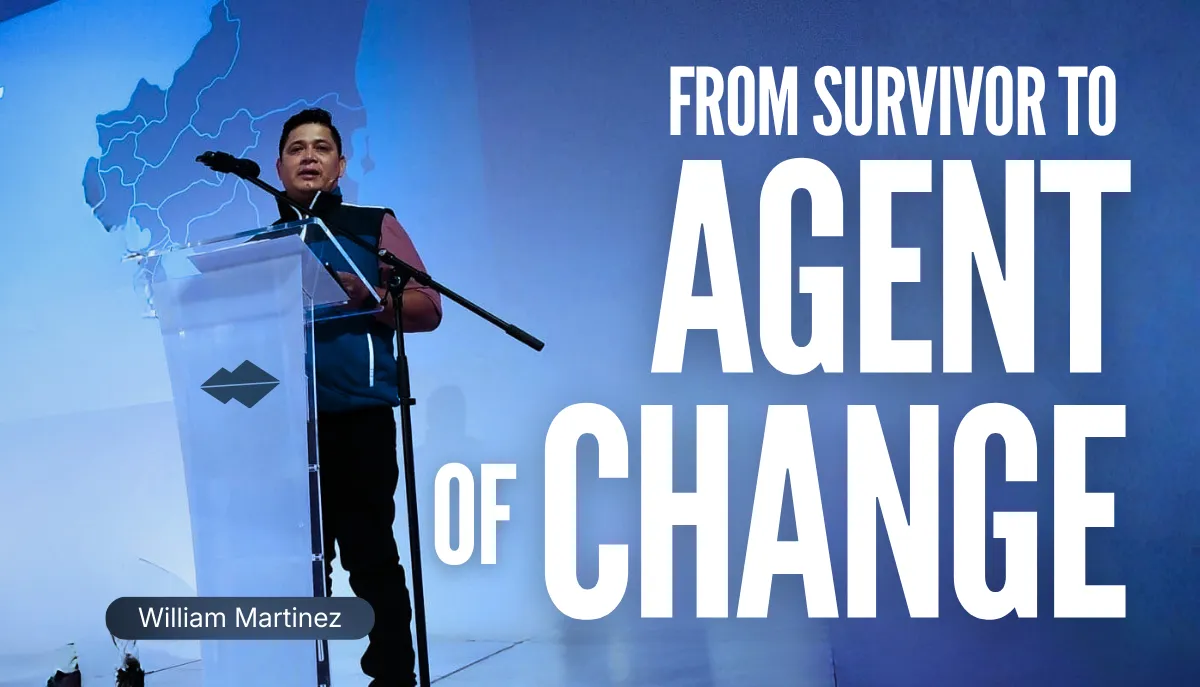
When William Martinez was 12 he joined the sugarcane cutters in Chichigalpa, Nicaragua — the same community where men routinely worked 10–12 hour days under a scorching sun, with little
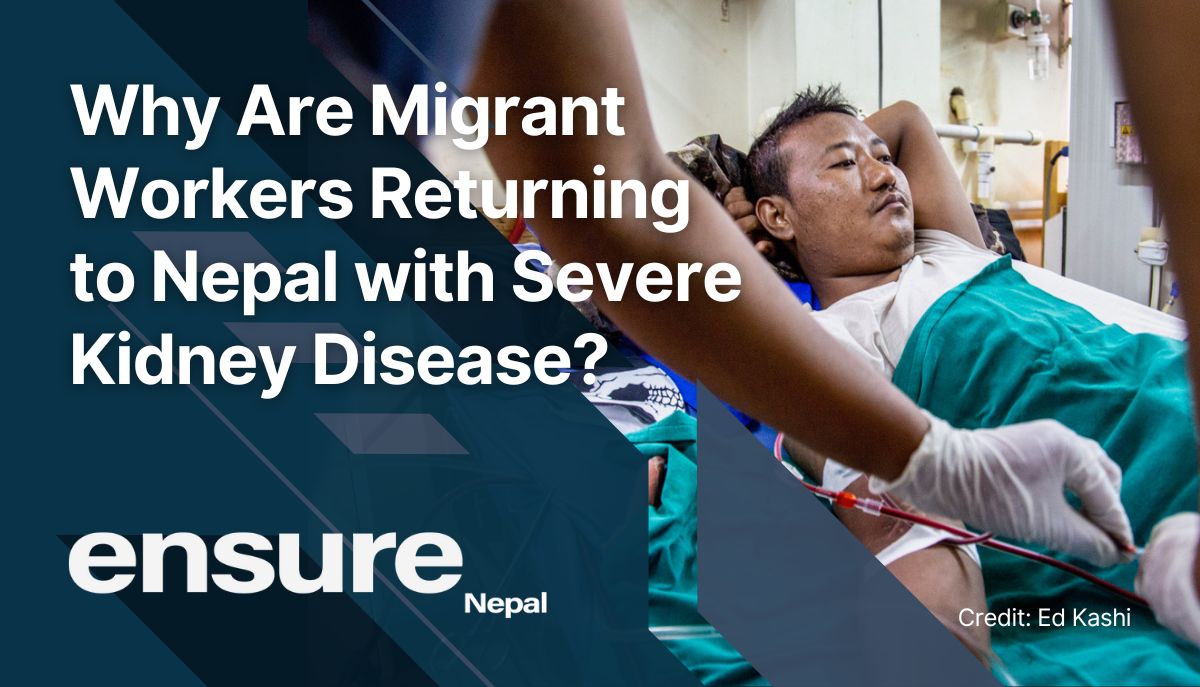
Nepali migrant workers are returning from hot regions like the Middle East with kidney disease, requiring dialysis at abnormally young ages compared to non-migrants. A survey of dialysis patients in
As summers grow hotter, millions of U.S. workers face mounting risks from extreme heat. For those employed outdoors—in construction, agriculture, landscaping, and other labor-intensive sectors—the stakes are especially high. Rest,
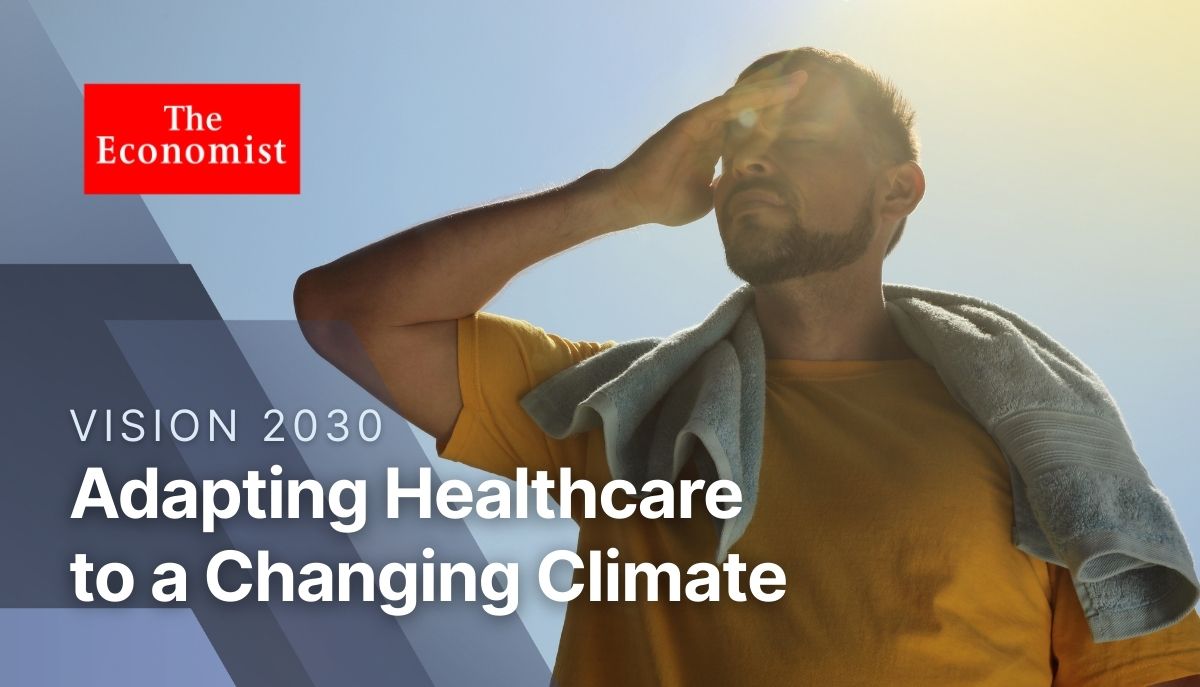
Vision 2030 and Protecting Workers on the Frontlines Economist Impact lays out a bold roadmap for tackling urgent health challenges at the intersection of climate change and chronic disease, consulting
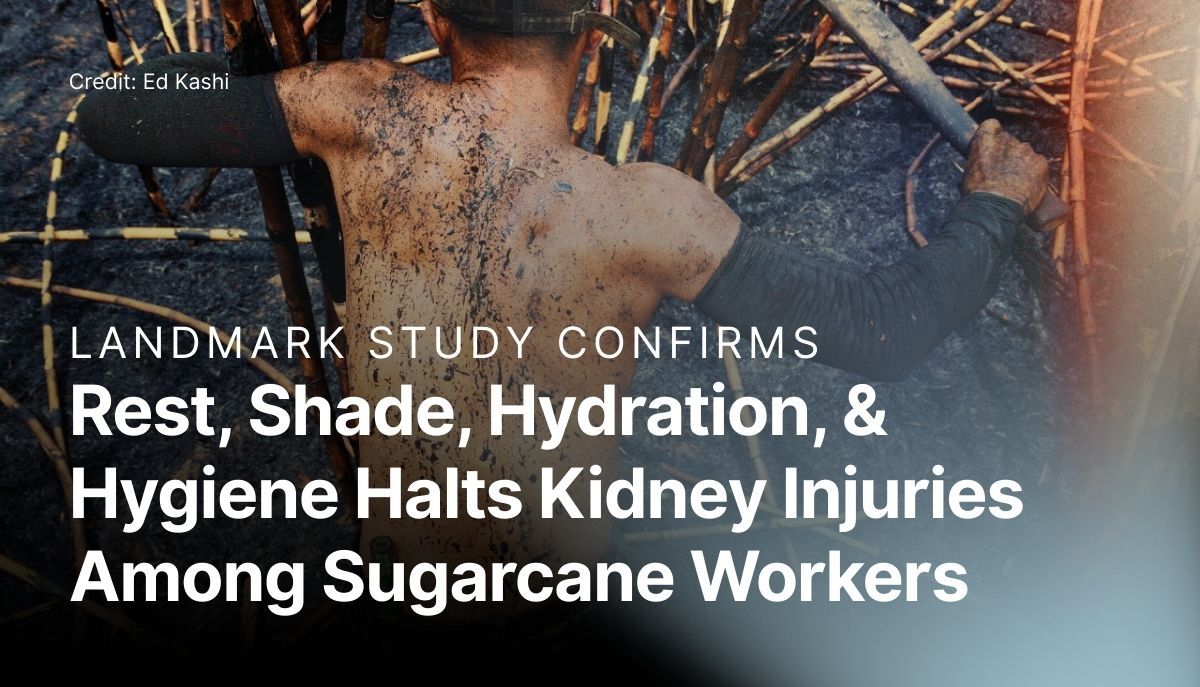
The largest and longest-running occupational cohort study on heat stress interventions and kidney health confirms that evidence-driven workplace interventions providing rest, shade, and hydration (RSH) reduce kidney injuries among sugarcane
This article originally appeared in the blog of the Harvard T.H. Chan School of Public Health on July 31, 2025. Written by Carly Stearnbourne. A new article published Tuesday in Nature Cities finds that
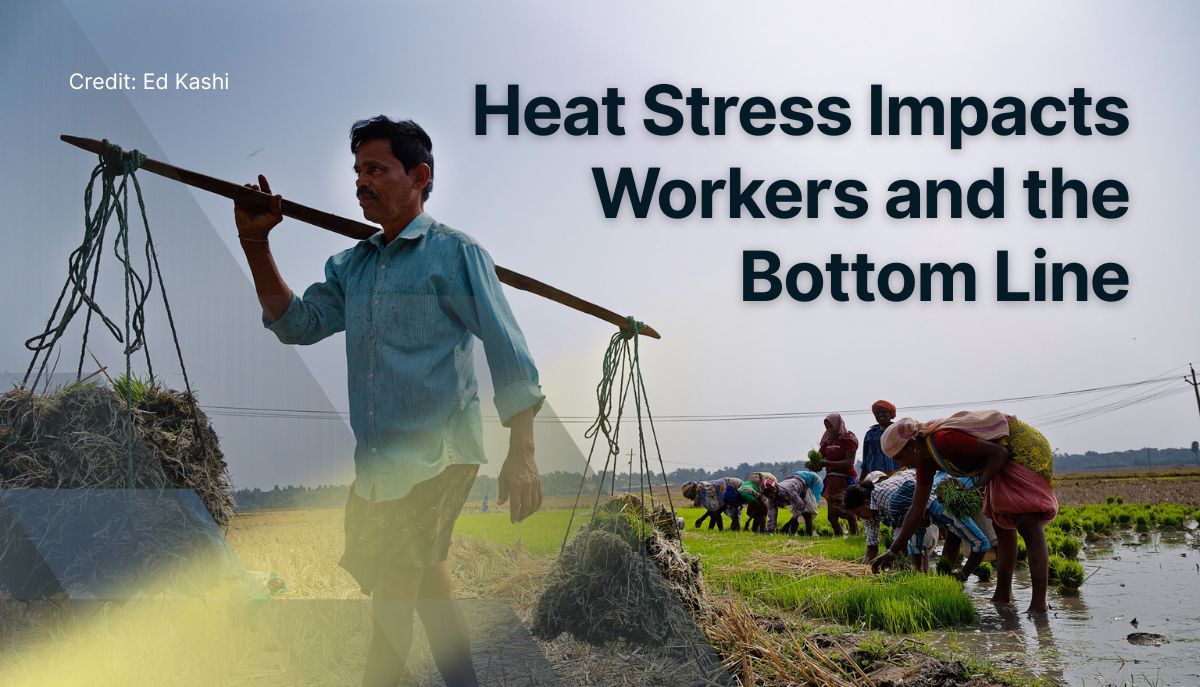
Extreme heat is a major occupational hazard with far-reaching impacts on the national economy as well as worker health and safety. Extreme heat costs an estimated $100 billion per year in lost
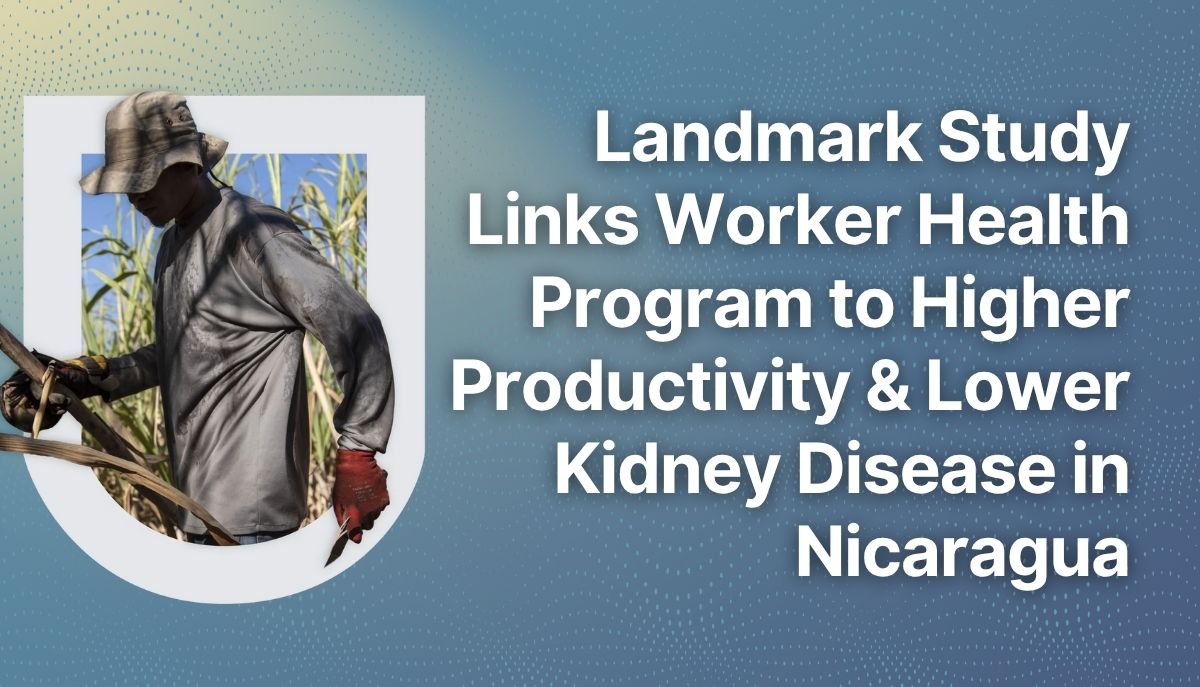
Researchers from La Isla Network (LIN) revealed compelling evidence that investing in occupational safety and health significantly improved the well-being of sugarcane workers at Ingenio San Antonio in Nicaragua, simultaneously
A new research review identifies a lack of studies from the Arabian Peninsula studying the health effects of extreme heat. The review identified only 12 relevant studies conducted since 2010,