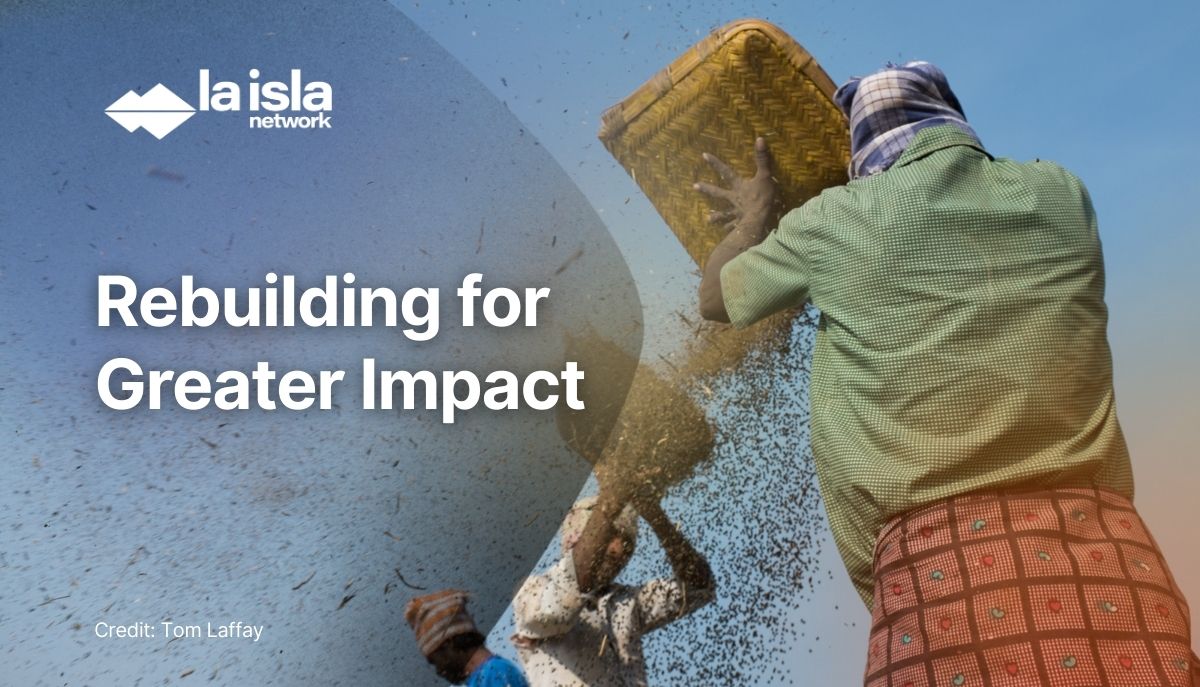
After a year of challenge and recovery, La Isla Network (LIN) enters the new year with renewed clarity. The threat of excessive heat exposure at work is urgent—but solutions exist. LIN is uniquely positioned to scale them.
Our confidence comes from three facts that define our work and shape our strategy:
The urgency is real. Millions of workers face extreme heat in their workplaces. The risk is growing, and many worksites remain unprepared.
The demand is clear. Companies, governments, and communities are asking for practical, tested ways to protect workers—solutions that save lives and make business sense.
LIN is ready to act. Over the last decade, LIN has combined rigorous field measurement with effective, scalable solutions. This blend of applied science and leadership has already protected—and saved—thousands of lives.
What we proved this year
Our fieldwork with the Adelante Initiative—now the Adelante Center of Excellence—in Nicaragua’s sugar industry delivered measurable results. Kidney injury among cutters fell from 21% to 1% over three harvests. Hospital visits for dehydration and heat-related acute kidney injury dropped by up to 94%. Productivity rose 9–19%, even as workers took more rest breaks. By year three, the mill achieved a 60% return on investment.
These results show that prevention saves lives—and that it is scalable and cost-effective.
Momentum: partners, evidence, and people
This year, LIN built new partnerships across sectors, from global construction firms to public agencies and foundations. These pilots allow us to move faster, learn more, and adapt our model to new industries and regions.
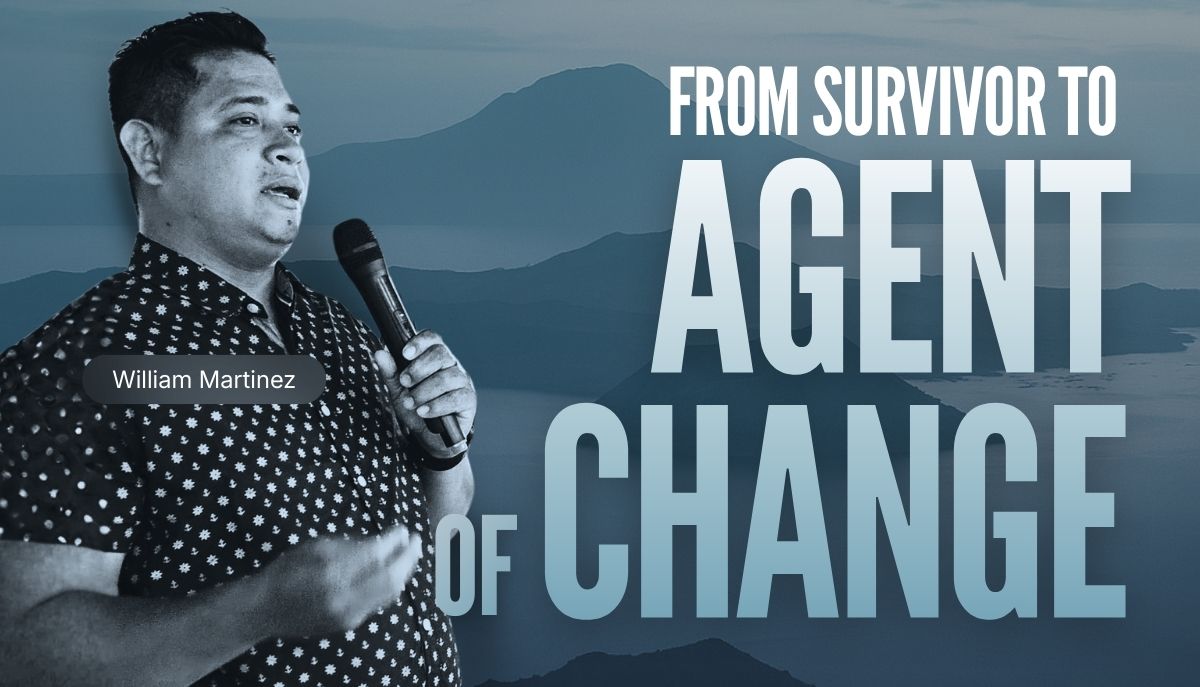
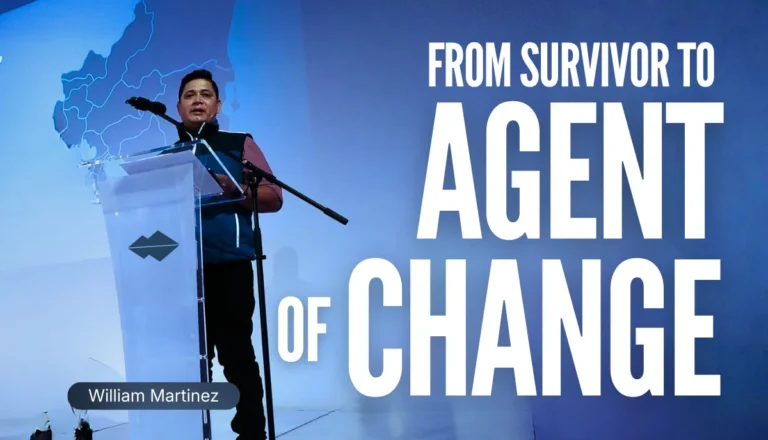
We also centered the human stories behind the data. People like William Martinez, who grew up cutting cane in Nicaragua, lost loved ones to heat-driven kidney disease, and now leads efforts to prevent those same deaths. His leadership reminds us that lived experience must guide how solutions are designed and scaled.
What comes next
In the year ahead, LIN will expand into new communities and industries, strengthen partnerships, and deepen the evidence base so prevention becomes standard practice in heat-exposed workplaces worldwide. We will also address upstream labor abuses—such as deceptive hiring practices—that disproportionately affect migrant and low-wage workers, including new work in Nepal.
The road is not easy. But the evidence is clear, and our partners are ready.
Your support can prevent needless illness and protect livelihoods. Learn more about our programs or help scale prevention at: laislanetwork.org/prevent-heat-stress/.